Select a registered product labeled for bed bugs and confirm active ingredients and PPE. Clear clutter, launder bedding hot, vacuum seams and open furniture to expose harborages rat repellent spray. Apply targeted short bursts to mattress seams, box springs, bed frames, baseboard crevices and electrical outlet gaps; avoid soaking surfaces. Use crevice tools and narrow nozzles for precision. Wear gloves, eye protection and ventilate; isolate the room and log treatments. Inspect every 7–14 days and continue for full protocol details.
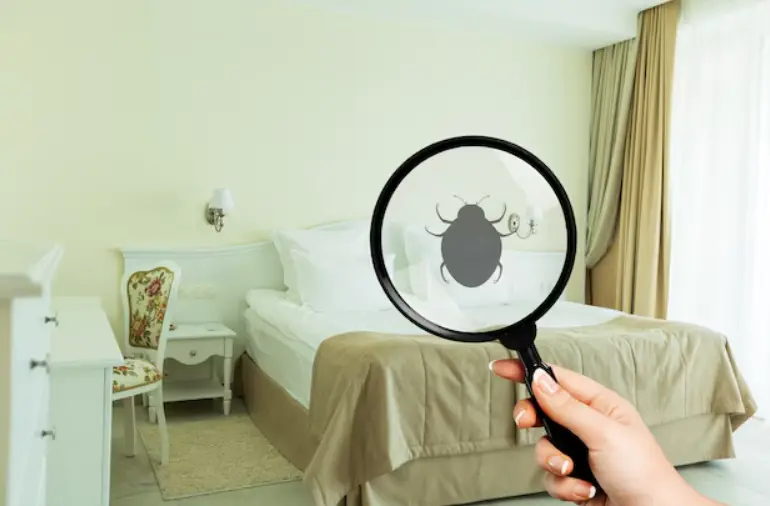
Choosing the Right Bed Bug Spray
When selecting a bed bug spray, prioritize products labeled specifically for Cimex lectularius and approved by the relevant regulatory authority, then verify active ingredients, application methods, and safety instructions to match the infestation site and user capacity. The evaluator considers efficacy data, resistance profiles, and formulation — residual sprays, aerosols, or contact-only agents — to align with access and surface types igreenasia. Innovative users assess integration with natural repellents for short-term deterrence while relying on validated chemistries for eradication. Preference is given to sprays containing insect growth regulators where lifecycle disruption is necessary, combined with neurotoxic actives when tolerance is low. Packaging should include clear dilution ratios, PPE requirements, and disposal guidance to minimize misuse and environmental impact.
Preparing the Room for Treatment
Before treating a room, clear clutter and expose potential hiding sites so sprays can contact bed bugs directly and residuals remain effective. The preparatory phase emphasizes systematic deep cleaning, targeted containment, and minimal obstruction to maximize efficacy.
Clear clutter, expose hiding spots, and deep-clean so sprays reach bed bugs and residuals stay effective.
- Remove loose items, launder bedding on high heat, and vacuum seams, crevices, and baseboards thoroughly.
- Empty drawers, open furniture, and unzip mattress covers; document infestation hotspots for focused follow-up.
- Implement air sealing around wall voids, baseboards, and outlet plates to reduce bug movement and prevent reinfestation while allowing sprays to persist where placed.
- Isolate cleaned items in sealed bags or containers; label and schedule repeat inspections to track progress.
Proper Application Techniques and Target Areas
During treatment, applicators should focus sprays precisely on known harborages and travel routes rather than broad surface coating, using tools and patterns that maximize contact with insects while minimizing excess residue. The applicator targets mattress seams, box springs, bed frames, and headboards with narrow-stream nozzles, applying short bursts along stitching, folds, and fabric overlaps. Crevice tools deliver micro-doses into baseboard crevices, electrical outlets (external), and joint gaps where harborages concentrate. Sealing spray patterns to edges and shadowed voids improves efficacy; avoid soaking visible surfaces. Inspect and treat bed legs, furniture joints, and luggage storage zones where trails form. Innovative application mixes spot-treatment mapping with conservative coverage, documenting treated zones for follow-up and reducing chemical use while maintaining focused control.

Safety Precautions and Protective Measures
In applying bed bug spray, the applicator must prioritize personal protective equipment and site controls to prevent inhalation, skin contact, and unintended exposure to occupants or pets. The discussion focuses on measurable safeguards and innovative workflow adjustments to reduce risk.
- Don disposable gloves, eye protection, and full-coverage protective clothing; seal cuffs and change garments after treatment to avoid contamination.
- Implement ventilation planning: schedule cross-ventilation, deploy temporary extraction fans, and monitor air exchange rates until residues dissipate.
- Isolate treated rooms, post clear signage, and create an access log to control occupant and pet movement during and immediately after application.
- Keep labeled product containers secure, carry manufacturer emergency instructions, and have spill kits and eyewash stations ready.
Follow-Up Treatments and Prevention Tips
Regularly scheduled follow-up inspections and targeted reapplications are essential to confirm eradication and address survivors before populations rebound. The practitioner schedules routine inspections at 7–14 day intervals, documenting findings and focusing on seams, baseboards, and furniture gaps. If live insects appear, selective reapplication uses spot treatments and dust formulations rather than broad sprays to limit resistance. Integrate nonchemical measures: high-heat laundering, steam on infested crevices, and vacuuming with immediate disposal. Deploy mattress encasements rated for bed bugs to trap and starve residuals; inspect zippers and seams periodically. Maintain a monitoring regimen using interceptor traps at bed legs. Finally, adopt incremental innovations — targeted sensors, data logs, and integrated pest management protocols — to reduce recurrence and improve long-term outcomes.
Conclusion
When applied correctly, bed bug spray can be an effective component of a broader control strategy. The user should choose a labeled, EPA-approved product, prepare the room thoroughly, and target seams, crevices, bed frames and baseboards while following label directions precisely. Use personal protective equipment, ventilate after treatment, and keep children and pets away until safe. Schedule follow-up inspections and treatments, launder bedding, and implement preventative measures to reduce the chance of reinfestation.