When you look at the landscape of construction today, the shift towards sustainability is palpable. You can see how eco-friendly innovations are reshaping the industry compression testing machine, from sustainable materials to energy-efficient designs. But what does this mean for the future of our planet and communities? The impact of sustainable construction reaches far beyond just the structures we build. It’s about fostering a more harmonious relationship between humans and the environment, creating spaces that not only function efficiently but also nurture a greener tomorrow.
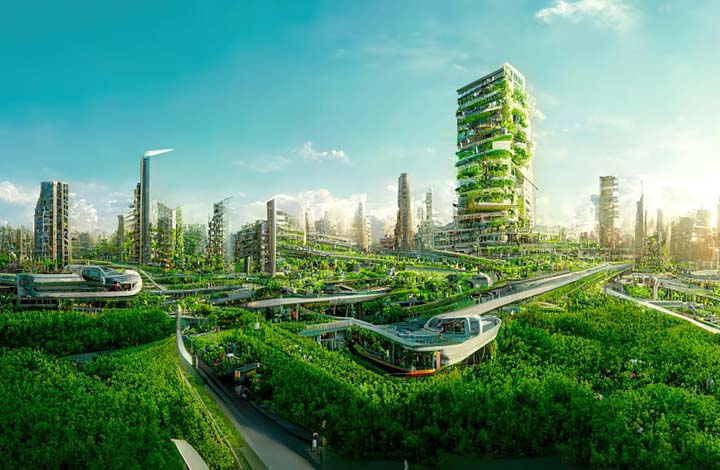
Benefits of Sustainable Construction
Embracing sustainable construction practices not only reduces environmental impact but also enhances long-term cost savings and community resilience. By incorporating energy-efficient design elements such as solar panels, green roofs, and natural lighting, you can significantly decrease utility expenses while lowering your carbon footprint.
Investing in high-quality insulation and utilizing recycled materials not only minimizes waste but also ensures better indoor air quality for occupants, leading to improved health and productivity.
Moreover, sustainable construction techniques like rainwater harvesting and greywater recycling help conserve valuable resources, making your building more self-sufficient and resilient to water shortages or disruptions in the supply chain. By implementing these innovative solutions universal testing machine for compression test, you not only contribute to a healthier environment but also future-proof your property against escalating utility costs and climate-related challenges.
In essence, choosing sustainable construction practices is a practical and forward-thinking approach that yields both immediate and long-term benefits. By prioritizing sustainability, you not only reduce your ecological footprint but also create a more resilient and cost-effective building for yourself and your community.
Sustainable Materials and Resources
When considering sustainable materials and resources for construction, you can explore eco-friendly building materials that reduce environmental impact.
By implementing resource-efficient construction methods, you can optimize material usage and minimize waste.
Integrating renewable energy sources can further enhance the sustainability of your construction projects.
Eco-Friendly Building Materials
In sustainable construction, utilizing eco-friendly building materials not only reduces environmental impact but also promotes long-term resource efficiency. Opting for materials like reclaimed wood, recycled metal, bamboo, and sustainable concrete can significantly lower the carbon footprint of a building. These materials aren’t only renewable but also offer durability and energy efficiency benefits.
Incorporating eco-friendly insulation made from recycled materials can enhance energy conservation. Moreover, choosing non-toxic paints and finishes ensures healthier indoor air quality. By selecting eco-friendly building materials, you contribute to a more sustainable future while creating spaces that are healthier for occupants.
Embracing these innovative materials is a practical step towards greener construction practices.
Resource-Efficient Construction Methods
To enhance sustainability in construction, incorporating resource-efficient methods utilizing sustainable materials and resources is crucial for reducing environmental impact and promoting long-term efficiency. Implementing strategies like modular construction, prefabrication, and efficient waste management can significantly reduce resource consumption and minimize construction waste.
Opting for locally sourced materials, recycled content, and renewable resources further enhances the eco-friendliness of construction projects. Additionally, innovative techniques such as 3D printing with sustainable materials, green roofs, and rainwater harvesting systems can contribute to resource efficiency.
Renewable Energy Integration
Utilizing renewable energy sources in the construction industry can revolutionize sustainability practices and significantly reduce carbon emissions. Integrating solar panels, wind turbines, and geothermal systems into building designs can provide clean energy sources that are both efficient and environmentally friendly. By harnessing renewable energy, construction projects can minimize their reliance on fossil fuels, leading to a greener future for the industry.
Additionally, incorporating energy-efficient technologies such as smart meters and LED lighting can further enhance the overall sustainability of buildings. Embracing renewable energy integration not only benefits the environment but also offers long-term cost savings for construction projects. It’s essential for the construction industry to prioritize renewable energy solutions to pave the way for a more sustainable and eco-conscious future.
Energy-Efficient Building Design
Efficiently designing buildings to minimize energy consumption is a crucial aspect of sustainable construction practices. By incorporating energy-efficient building design, you can reduce your environmental impact while also saving on operational costs.
One innovative approach is to optimize natural light and ventilation to decrease the need for artificial lighting and cooling systems. Strategic placement of windows, skylights, and shading devices can help regulate indoor temperatures, reducing the reliance on heating and air conditioning.
Moreover, selecting high-performance insulation materials and energy-efficient appliances can further enhance the building’s energy efficiency. Building automation systems that monitor and adjust energy usage based on occupancy patterns and external conditions can also contribute to significant energy savings.
Additionally, integrating renewable energy sources like solar panels or geothermal systems can supplement traditional energy sources, making the building more self-sufficient and environmentally friendly.
Incorporating energy-efficient building design principles not only benefits the environment but also improves occupant comfort and productivity. By embracing these practices, you can contribute to a greener future while creating sustainable and efficient living and working spaces.

Waste Reduction and Recycling
When considering waste reduction and recycling in sustainable construction, you should focus on implementing efficient waste management strategies and maximizing the benefits of recycling.
By actively managing waste on construction sites through segregation and proper disposal methods, you can significantly reduce the environmental impact of your projects.
Embracing recycling practices not only helps divert materials from landfills but also promotes resource conservation and a more circular economy in the construction industry.
Waste Management Strategies
Implementing effective waste management strategies is crucial in achieving sustainability goals in construction projects. By focusing on waste reduction and recycling, you can significantly minimize the environmental impact of your construction activities.
Start by conducting a waste audit to identify areas where you can reduce, reuse, or recycle materials. Integrate waste management into your project planning from the outset to streamline processes and maximize efficiency. Encourage your team to segregate waste on-site to facilitate recycling and proper disposal. Partner with local recycling facilities to ensure that materials are recycled responsibly.
Benefits of Recycling
To maximize sustainability outcomes in construction projects, embracing recycling practices is essential for reducing waste and conserving resources efficiently. By implementing recycling programs on construction sites, you not only minimize the amount of waste sent to landfills but also reduce the extraction of raw materials.
Recycling materials like concrete, steel, and wood not only cuts down on production costs but also lessens the environmental impact of sourcing new materials. Additionally, utilizing recycled materials can contribute to earning LEED (Leadership in Energy and Environmental Design) credits, showcasing your commitment to sustainable practices.
Embracing recycling in construction not only benefits the environment but also your bottom line by promoting resource efficiency and reducing the project’s overall carbon footprint.
Green Building Certifications
Green Building Certifications play a crucial role in promoting environmentally friendly and sustainable construction practices. These certifications, such as LEED (Leadership in Energy and Environmental Design) and BREEAM (Building Research Establishment Environmental Assessment Method), provide guidelines and standards for constructing buildings that are energy-efficient, resource-efficient, and environmentally responsible. By adhering to the criteria set by these certifications, builders can ensure that their projects have a reduced impact on the environment, lower operating costs, and healthier indoor spaces for occupants.
Achieving a green building certification involves careful planning and consideration of various factors such as site selection, energy efficiency, water conservation, materials selection, and indoor air quality. These certifications not only benefit the environment but also offer financial advantages to building owners through energy savings and increased property value. Additionally, they contribute to the overall sustainability goals of communities and help raise awareness about the importance of eco-conscious construction practices.
Incorporating green building certifications into construction projects is a proactive step towards a greener future and a more sustainable built environment. By following these standards, you can contribute to a healthier planet and create buildings that are efficient, resilient, and environmentally friendly.
Water Conservation Strategies
When aiming for water conservation in construction, consider incorporating efficient plumbing fixtures and rainwater harvesting systems.
These strategies can significantly reduce water waste and promote sustainable practices in your building projects.
Efficient Plumbing Fixtures
Maximizing water efficiency in buildings can be achieved through the strategic selection and installation of efficient plumbing fixtures. Upgrading to low-flow toilets, faucets, and showerheads can significantly reduce water consumption without sacrificing performance. Low-flow toilets use about 1.6 gallons per flush compared to older models that can use up to 3.5 to 7 gallons.
Similarly, installing aerated faucets and low-flow showerheads can save thousands of gallons of water annually. Consider implementing sensor-operated fixtures to minimize water waste further. These fixtures only release water when needed, preventing unnecessary usage.
Rainwater Harvesting Systems
Upgrading to efficient plumbing fixtures is just one step towards sustainable water management; now, let’s explore the implementation of Rainwater Harvesting Systems as a proactive water conservation strategy.
Rainwater Harvesting Systems collect and store rain from roofs and other surfaces for later use, reducing the demand on traditional water sources. By integrating this system into your building design, you can significantly decrease water consumption for tasks like irrigation, flushing toilets, and even laundry.
Not only does this approach contribute to water conservation, but it also helps in reducing utility costs over time. With innovative technology and practical implementation, Rainwater Harvesting Systems offer a sustainable solution that aligns with environmentally conscious construction practices.
Carbon Footprint Reduction
To achieve significant carbon footprint reduction in sustainable construction, thoughtful design choices and material selection are essential. By opting for materials with lower carbon emissions during production, such as recycled steel or sustainable timber, you can make a substantial impact. Additionally, considering the energy efficiency of a building through proper insulation, orientation for natural lighting, and efficient HVAC systems can significantly reduce carbon emissions over the building’s lifetime.
Innovative construction techniques like modular building methods not only reduce construction waste but also lower energy consumption during the building’s operation. Integrating renewable energy sources like solar panels or wind turbines further decreases reliance on fossil fuels, contributing to a greener construction process.
When designing, prioritize using locally sourced materials to reduce transportation emissions. Implementing green roofs or walls can also aid in carbon sequestration while improving insulation. By focusing on these practical strategies, you can actively work towards a sustainable future with reduced carbon footprints in construction.
Sustainable Construction Technologies
Utilizing cutting-edge sustainable construction technologies is paramount for enhancing environmental efficiency in modern building practices. Incorporating innovations like green roofs, which provide natural insulation and reduce stormwater runoff, can significantly decrease energy consumption.
Another key technology is Building Information Modeling (BIM), a digital tool that enhances collaboration among architects, engineers, and contractors, leading to more efficient resource utilization and reduced construction waste. Furthermore, the use of recycled materials such as reclaimed wood, recycled steel, and glass can lower the environmental impact of construction projects while promoting a circular economy.
Advanced energy-efficient systems like solar panels, geothermal heating, and smart building automation systems are also crucial in reducing a building’s carbon footprint. These technologies not only lower energy costs but also contribute to a more sustainable future.
Embracing sustainable construction technologies isn’t just a trend but a necessity in creating buildings that are environmentally friendly and resilient to future challenges. By integrating these innovative solutions into construction practices, we can pave the way for a greener and more sustainable future.
Biodiversity and Ecosystem Preservation
Enhancing biodiversity and preserving ecosystems are essential components of sustainable construction practices for a greener future. By integrating biodiversity considerations into construction projects, you can help protect and restore natural habitats, supporting the interconnected web of life on our planet. One innovative approach is to incorporate green roofs and walls into buildings, providing habitat for birds, insects, and plants in urban areas. Additionally, using native plant species in landscaping helps maintain local biodiversity and reduces the need for excessive water and chemical inputs.
When planning construction projects, consider conducting thorough environmental assessments to identify sensitive areas that should be protected. Implementing measures such as green infrastructure, permeable surfaces, and wildlife corridors can help mitigate the impact of construction on ecosystems. Furthermore, adopting sustainable building materials sourced responsibly can reduce habitat destruction and support sustainable forestry practices.
Incorporating biodiversity and ecosystem preservation into construction practices not only benefits the environment but also enhances the aesthetic appeal and overall quality of the built environment. By prioritizing these aspects, you contribute to a more sustainable and ecologically conscious future.
Community Engagement and Social Impact
Engaging with the community and understanding its social impact is crucial for fostering sustainable construction practices and creating lasting positive change. By involving community members early in the planning process, you can tap into local knowledge, address concerns, and build trust. Collaborating with residents, businesses, and organizations ensures that projects align with community needs and values, leading to more successful outcomes.
Community engagement goes beyond construction projects; it involves creating opportunities for skill development, job creation, and economic growth within the community. By prioritizing local hiring and training programs, you can empower residents and enhance social equity. Additionally, engaging with diverse stakeholders fosters a sense of ownership and pride in the built environment, promoting long-term stewardship and maintenance.
To maximize social impact, consider implementing initiatives that support education, healthcare, and cultural enrichment. By investing in community infrastructure and services, you can improve quality of life and create a legacy of sustainability. Ultimately, by actively engaging with the community and prioritizing social impact, sustainable construction practices can contribute to a greener, more inclusive future.
Conclusion
In conclusion, sustainable construction offers a practical and innovative solution to create a greener future. By using eco-friendly materials, energy-efficient design, and waste reduction strategies, you can lower your carbon footprint and contribute to a more sustainable world.
Embracing sustainable construction technologies and certifications can lead to long-term cost savings, while also preserving biodiversity and engaging with communities for a positive social impact.
Start building a sustainable future today!